
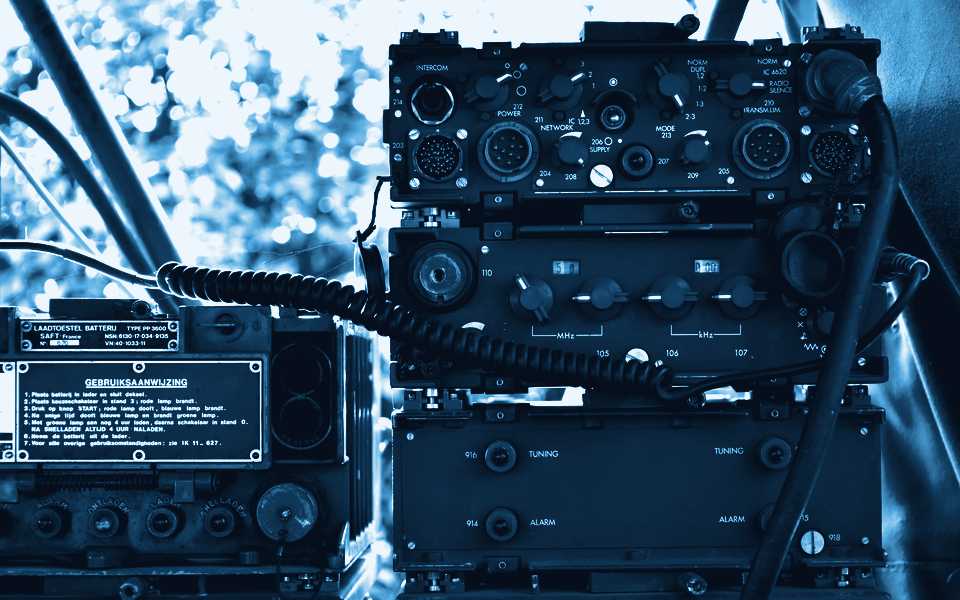






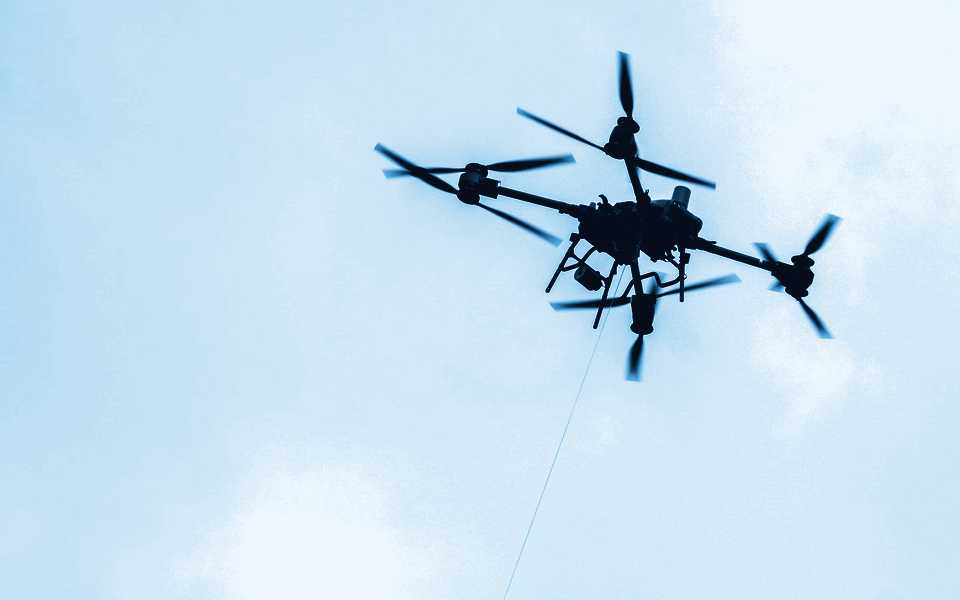
Working in a demonstration is not the same as working in mud, cold and rain, far from a workshop. A practical checklist for what field-ready really involves.
By Skyrivet2 min read

“Field-ready” is easy to claim and hard to prove. Plenty of systems work well on a clear day at a test range with engineers standing by. The field is different: weather, dirt, rough handling, limited power, unreliable communications and long distances from spare parts and specialists.
A useful definition looks at the whole life of a system in service, not just its performance on the best day.
Environment
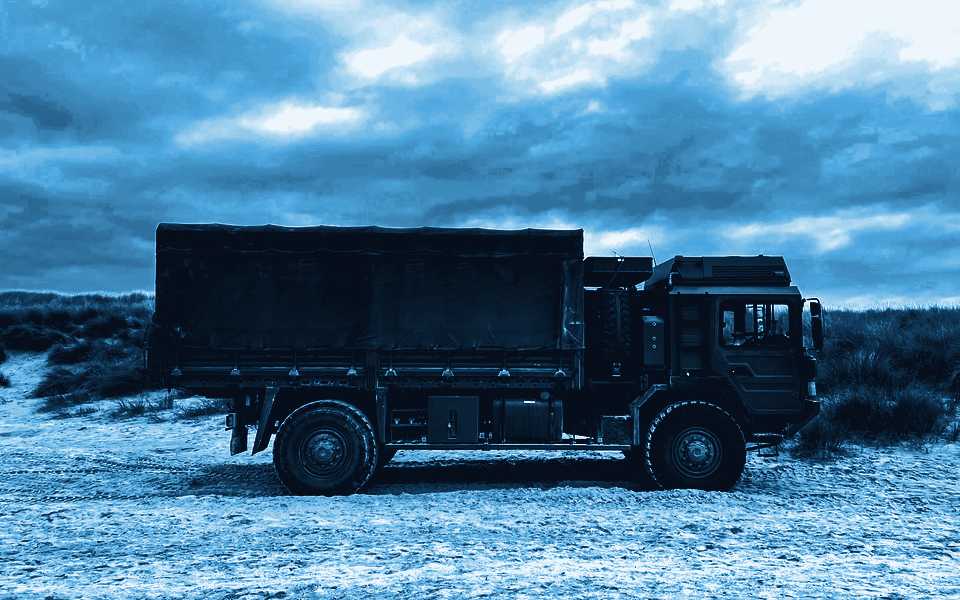
Equipment has to work in heat and cold, rain, dust and mud, and survive being carried, dropped and packed in a hurry. That means testing in those conditions, not only in a lab.
Power and logistics
Batteries, fuel and charging are often the real limit on how long a system can operate. Field-ready systems use power that units can actually supply, and parts and consumables that can reach them.
Degraded communications
Links will be jammed, blocked by terrain or simply out of range. A field-ready system keeps doing something useful when the network drops, and recovers cleanly when it returns.
Maintenance close to the user
If every fault needs a factory visit, the system will spend more time in transit than in service. Simple diagnostics, modular parts and repairs that trained users can do on the spot keep equipment available.
Training that fits real units
Units rotate, people change roles and skills fade. A system that can be learned quickly and refreshed easily stays usable across those changes.
A short checklist
- Has it been tested in the conditions where it will be used?
- What does it need in power, fuel and consumables per day?
- What does it do when communications fail?
- Which repairs can users do themselves, and which need the manufacturer?
- How long does it take to train a new operator, and to refresh an experienced one?
Skyrivet describes its systems as field-ready. These are the questions that give the word its meaning.