


No single sensor or effector stops every drone. Why effective protection is built in layers, and what each layer has to do.
By Skyrivet3 min read
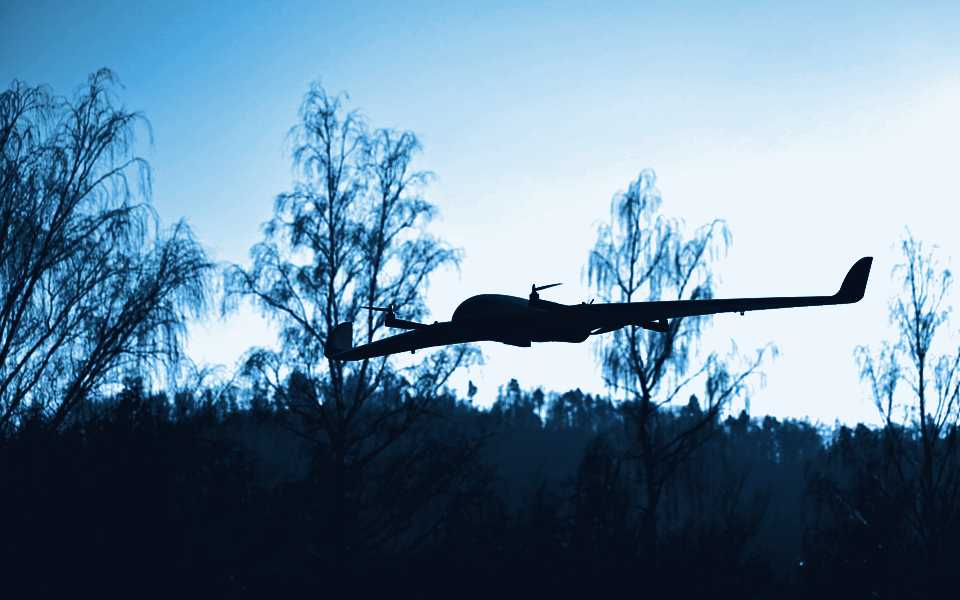
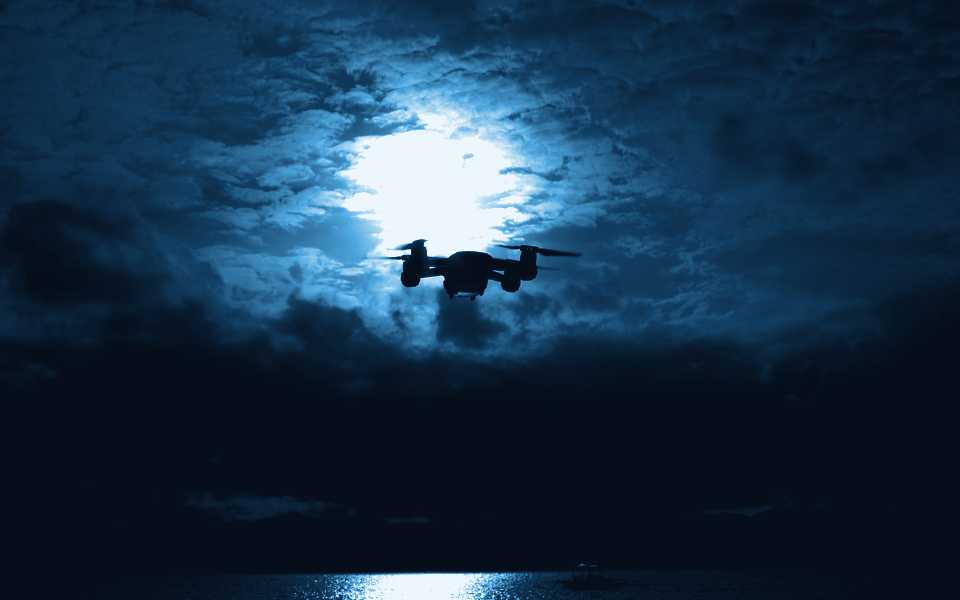
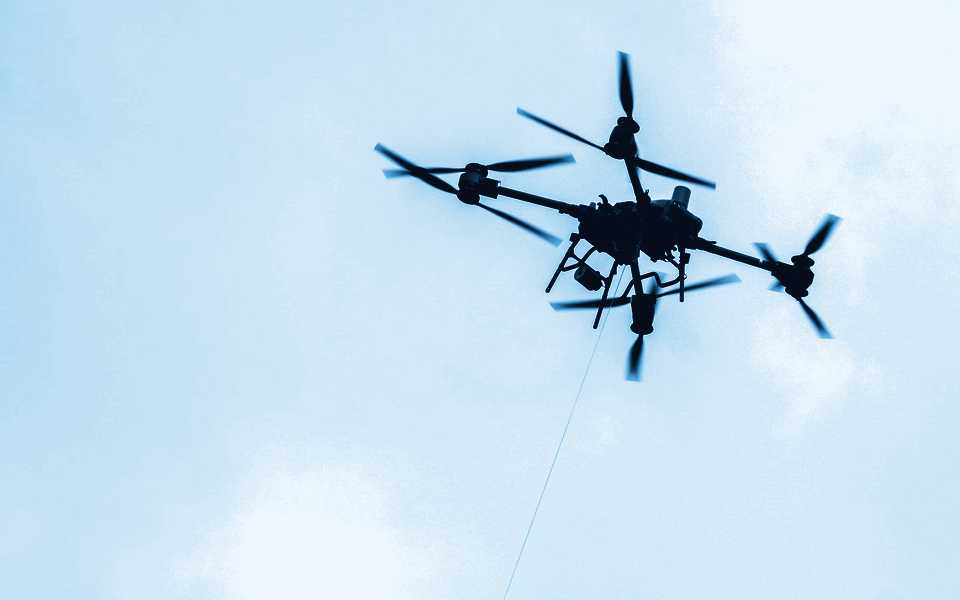
Small drones have changed what it means to protect a site, a unit or a convoy. They are cheap, they are everywhere, and they come in many forms: commercial quadcopters, fixed-wing aircraft, first-person-view drones and, increasingly, drones that do not rely on a radio link at all. A defense built around a single technology will meet a drone it was not designed for.
That is why counter-drone protection is usually described as a chain of tasks, each covered by more than one layer.
Detect
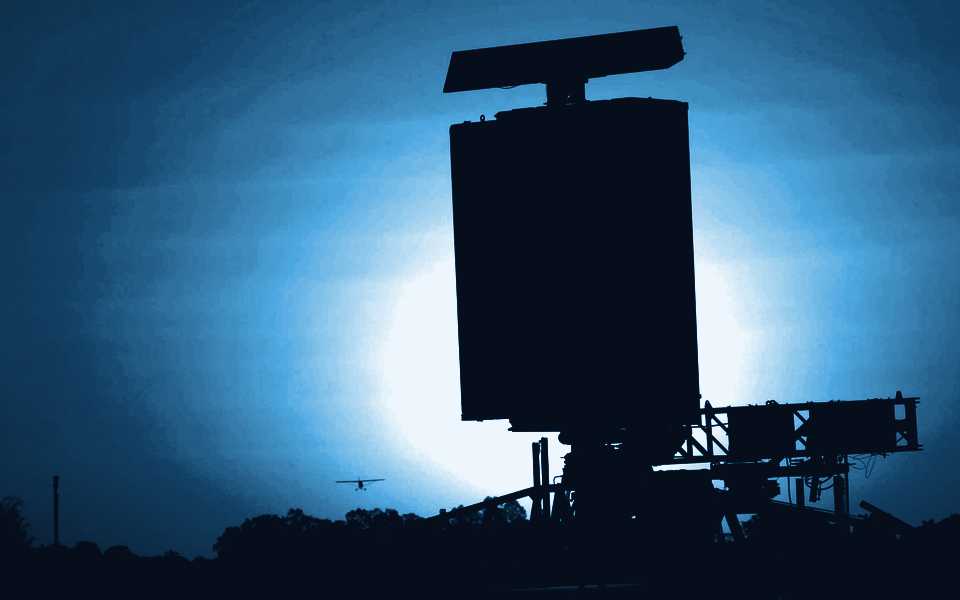
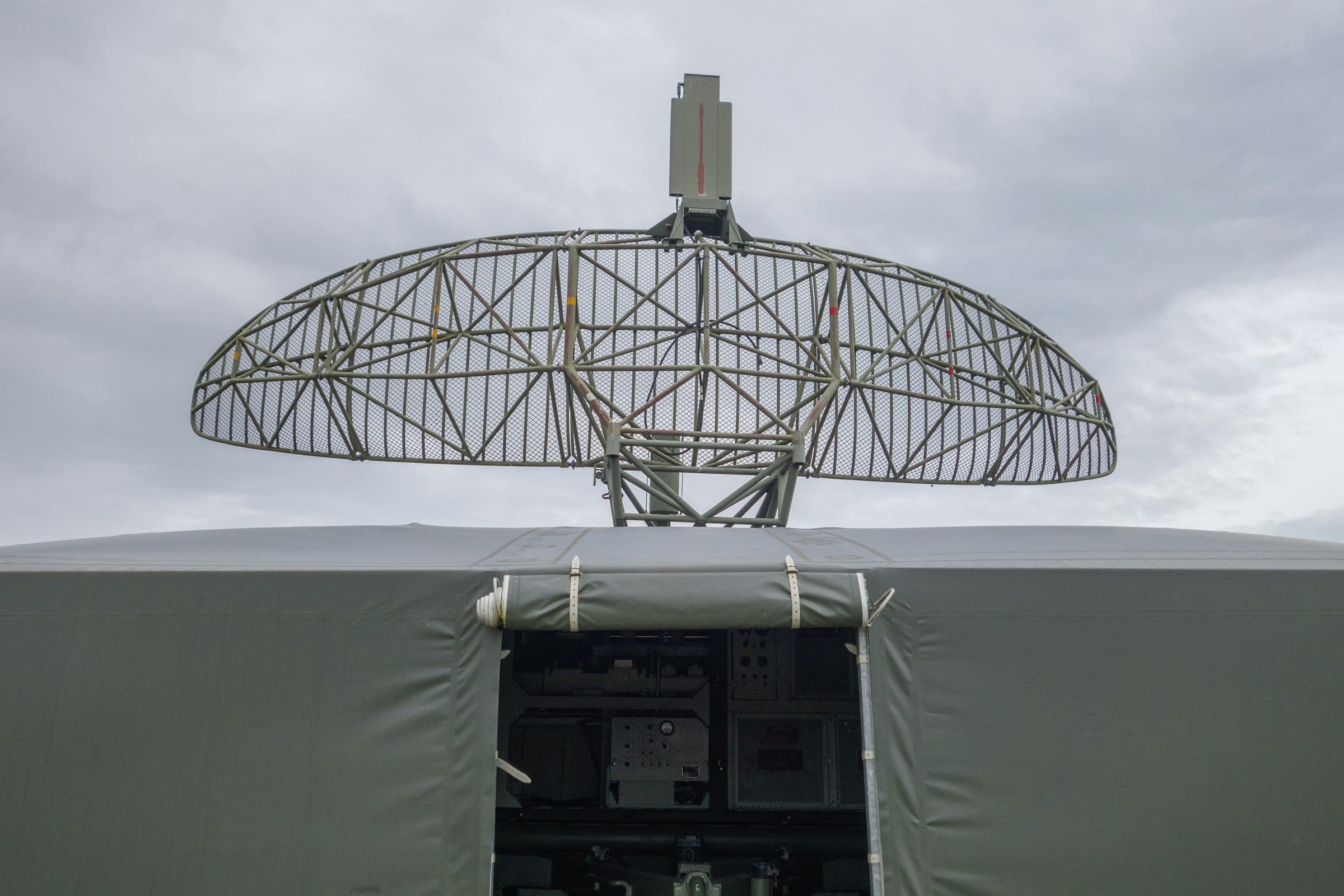
The first problem is seeing the drone at all. Small drones fly low, slowly and close to clutter such as trees, buildings and birds. Radar, radio-frequency sensors, electro-optical and infrared cameras and acoustic sensors each see part of the picture, and each has blind spots. Radio-frequency sensing finds drones that transmit, but not those that fly silently. Cameras confirm what a radar track is, but struggle in fog and at night without thermal channels. Combining sensors is not a luxury: it is how the gaps get covered.
Track and identify
A detection only becomes useful once it is a track, followed over time, and an identification: is this a threat, a friendly drone or a bird? Fusing the data from several sensors into one picture reduces false alarms and gives the operator one clear answer instead of four competing ones.
Decide
Someone has to decide what to do, often in seconds. Good systems keep that decision with a trained person and give them what they need: where the drone is, where it is heading, what it is likely to be and which responses are available and lawful in that place.
Defeat
The response depends on the drone and the setting. Jamming and other electronic measures can break the link between a drone and its pilot, but drones guided by fiber-optic cable or flying autonomously are not affected. Kinetic options, from guns to interceptor drones and missiles, work against those, but have their own costs and risks, especially near people and infrastructure. That is the core of the layered approach: each layer covers what the others cannot.
Cost matters
A defense that spends an expensive interceptor on every cheap drone will run out of money or munitions before the attacker runs out of drones. The cost of each engagement has become a design requirement in its own right, alongside range and accuracy.
What this means for buyers
When evaluating counter-drone capability, the useful questions are less about any single component and more about the whole chain:
- Which kinds of drones does the system detect, and which does it miss?
- How are sensor tracks fused, and how many false alarms reach the operator?
- Which responses are available against drones that cannot be jammed?
- What does each engagement cost, and how many can be sustained?
- How does the system connect to existing air defense and command networks?
Counter-drone software is one of Skyrivet’s four capability areas. Organizations that want to discuss a specific requirement can request a briefing.