
A system is only as capable as the person using it under pressure. Why operator workload, training and trust deserve as much attention as the technology.
By Skyrivet2 min read

Specification sheets describe what a system can do. They rarely describe what it asks of the person who has to use it: cold, tired, under time pressure and with a dozen other tasks competing for attention. In the field, that difference decides whether a capability is actually used.
Workload is a design input
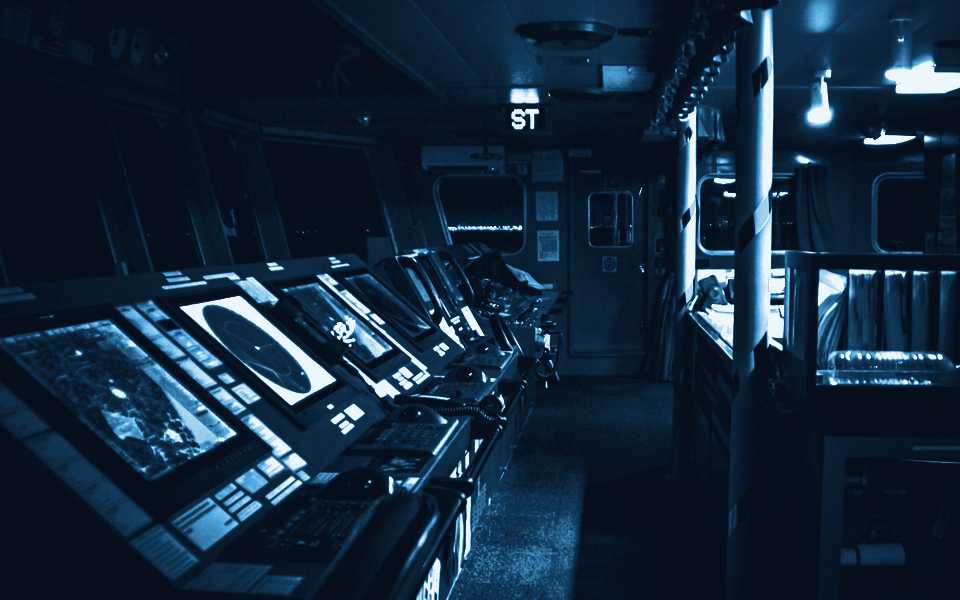
Every screen, alert and manual step adds to an operator’s workload. A system that needs constant attention takes that attention away from the situation around them. Good design removes steps that do not need a human, presents only the information needed for the next decision and makes the safe action the easy one.
Training time is a cost
A capability that takes months to learn is a capability that few people will use well. Shorter training does not mean less capable equipment: it means interfaces that follow conventions people already know, consistent behavior across functions and clear feedback when something goes wrong. Training time should be planned and measured like any other cost.
Trust is earned in the field
Operators rely on systems they understand. When a system behaves unpredictably, raises false alarms or hides how it reached a conclusion, people learn to work around it. Transparent behavior, honest indications of uncertainty and the ability to take manual control when needed are what turn a tool into one that operators trust.
Listening to the field
The people who use equipment every day see problems that do not appear in a test report. Short feedback loops between users and developers, and the ability to update systems quickly, are among the most valuable features a program can have.
Skyrivet’s systems are designed to support operators in a changing battlefield. That starts with taking the operator’s point of view seriously.